
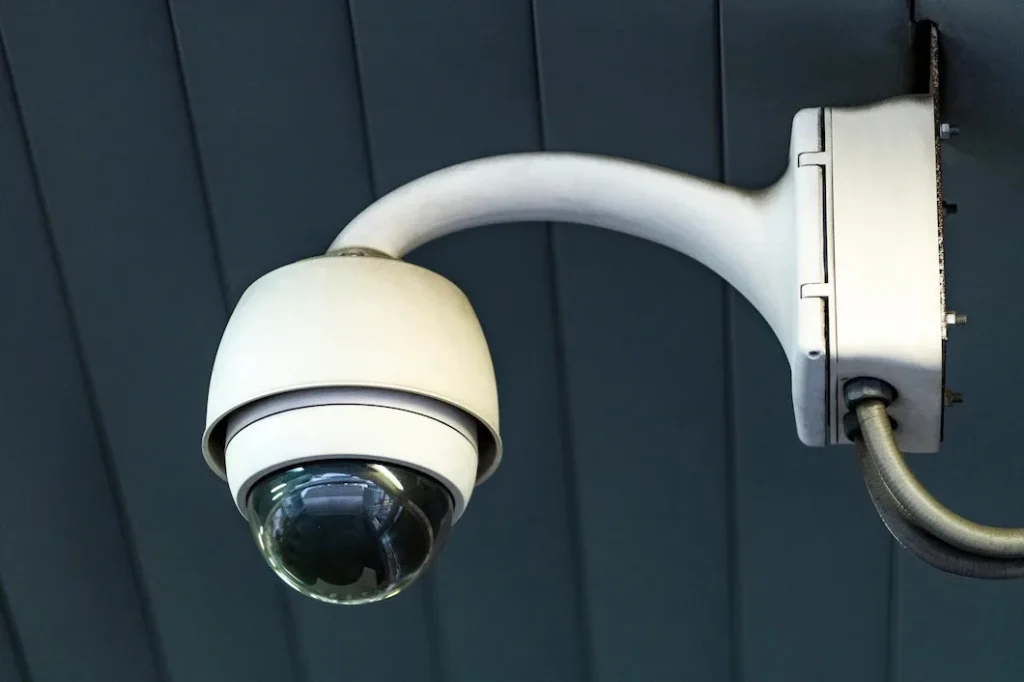
A CCTV system is one of the most effective investments a business can make in security. Cameras deter theft, help you investigate incidents and give managers visibility across every site. But with so many cameras, recorders and features available, it is easy to buy the wrong system. This guide walks through the decisions that matter most.
1. Start with what you need to protect
Before comparing cameras, walk through your premises and list what you need to see: entrances and exits, cash counters, warehouses, car parks, server rooms and perimeter fences. For each area, decide whether you need to detect activity, recognise a person, or identify faces and number plates. Identification needs far more detail than general overview, and this drives camera choice and placement.
2. IP or analogue cameras?
Most new installations use IP cameras, which send digital video over the network to a Network Video Recorder (NVR). They offer higher resolution, smart analytics and simpler expansion, and can often be powered over the same network cable using PoE. Analogue (HD-over-coax) systems can still make sense when you are upgrading an existing site with good coaxial cabling. A hybrid recorder lets you combine both while you migrate.
3. Choose the right resolution and lens
- 2–4 MP cameras are suitable for most indoor areas and general overview.
- 4K (8 MP) cameras cover wider areas and let you zoom into recordings without losing detail.
- Varifocal and PTZ cameras let you adjust the field of view or pan, tilt and zoom across large spaces such as yards and car parks.
Resolution alone is not everything: lens choice, mounting height and lighting have just as much effect on image quality.
4. Plan for night-time and harsh conditions
Look for cameras with infrared (IR) night vision or colour low-light technology for areas that are dark at night. For outdoor cameras in the UAE climate, choose weather-rated housings (IP66/IP67) that can handle heat, dust and humidity, and avoid pointing cameras directly into strong sunlight.
5. Size your storage and retention
Decide how many days of footage you need to keep. Storage depends on the number of cameras, resolution, frame rate and whether you record continuously or on motion. Modern compression such as H.265 significantly reduces the space required. Depending on your sector, regulators or insurers may also set minimum requirements for coverage and retention, so confirm these before you finalise the design.
6. Remote viewing and multiple branches
Business owners increasingly expect to see live and recorded video on a phone, tablet or computer from anywhere. If you operate several locations, a centralised monitoring solution lets head office view all branches from a single screen, with user permissions controlling who can see what.
7. Integrate with access control and alarms
CCTV becomes far more powerful when it works with your other security systems. Linking cameras to access control, intruder alarms and video intercoms lets you jump straight to the footage of a door event or alarm, and recording POS or ATM transaction data alongside video makes investigations much faster.
Quick checklist: list the areas to cover, choose IP or hybrid, match resolution to the detail you need, plan for night-time, size storage for your retention period, enable secure remote access, and integrate with access control and alarms.
Get expert advice
Newtech Information Technology designs and installs professional IP and analogue CCTV systems for businesses across Abu Dhabi and the UAE, using reputable brands. Learn more about our CCTV System & Integration service or contact us for a free site survey.